CITY GUIDE
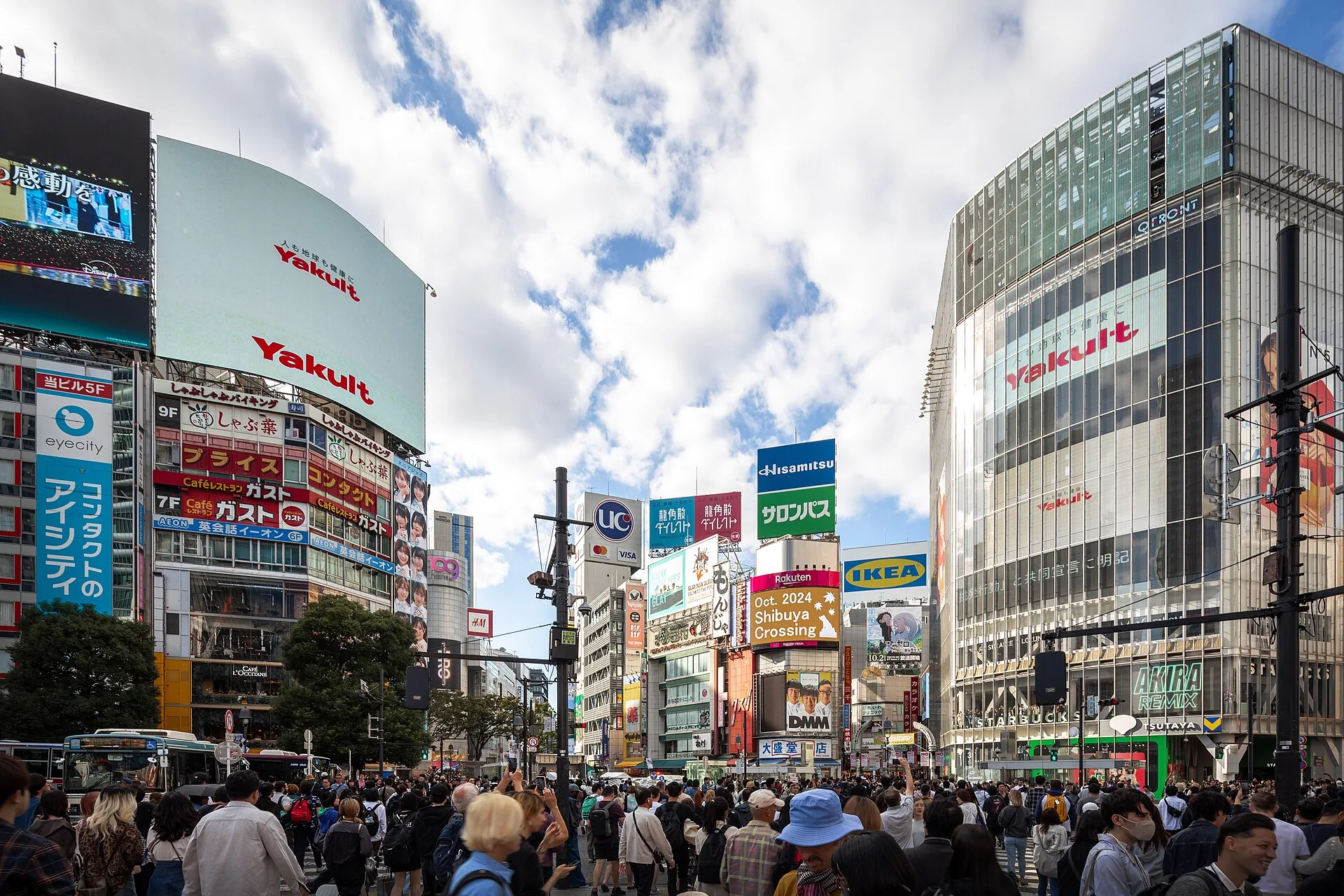
Tokyo
Best for a first arrival, varied neighborhoods and choosing your own mix of old and new.
Areas, bases & day routes → FIRST MILE JAPANGUIDES FOR YOUR FIRST INDEPENDENT TRIP
DESTINATIONS / JAPAN
Tokyo is not Kyoto with more buildings, Osaka is not just an airport connection, Yokohama is not a smaller Tokyo, Nagoya is not a smaller Osaka and Fukuoka is not a quieter Kyoto. Give each city a role before dividing your days.
CITY GUIDE
Best for a first arrival, varied neighborhoods and choosing your own mix of old and new.
Areas, bases & day routes →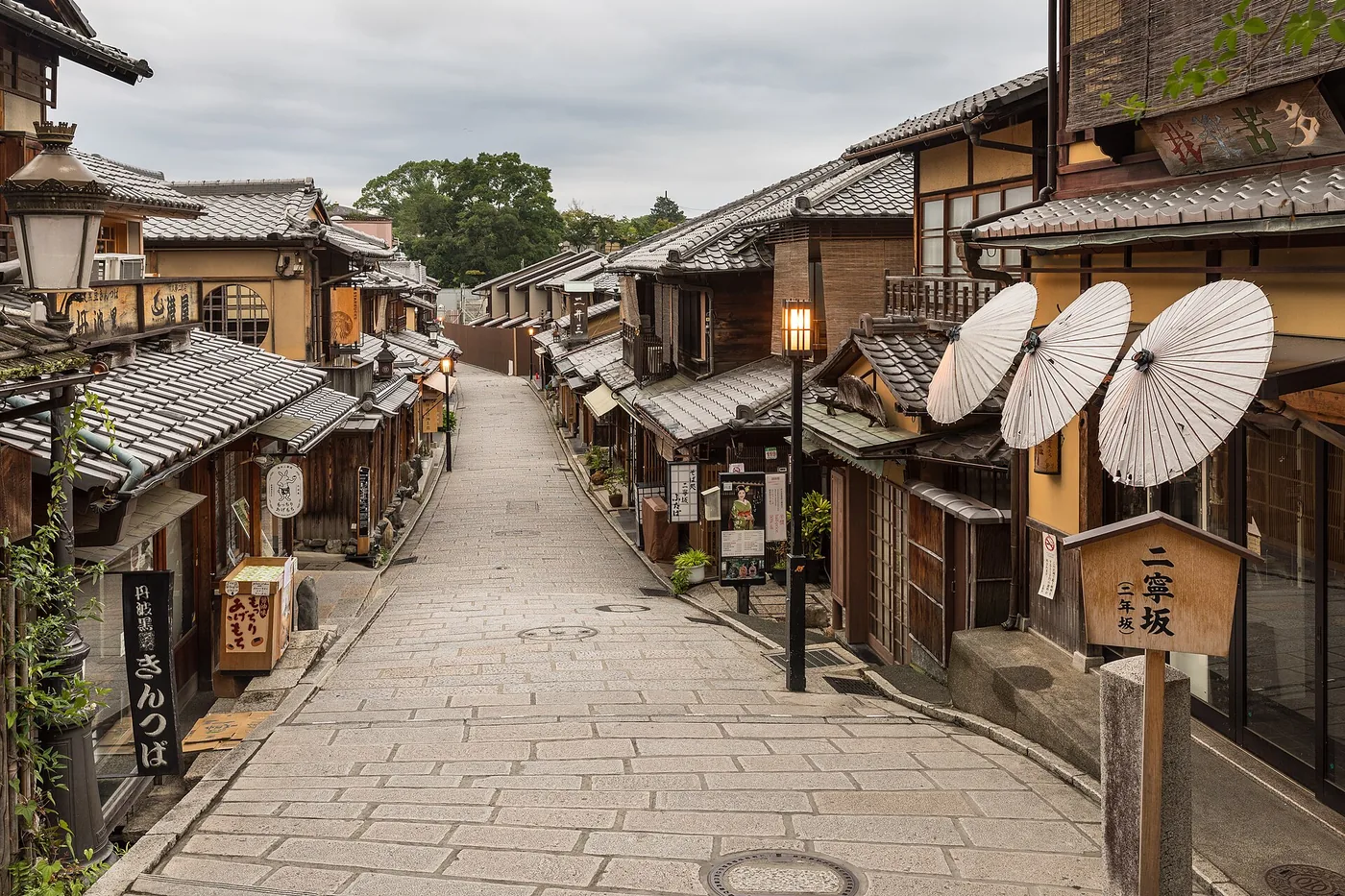
CITY GUIDE
Best for historic streets, religious places and a slower look at the relationship between landscape and city.
Areas, bases & day routes →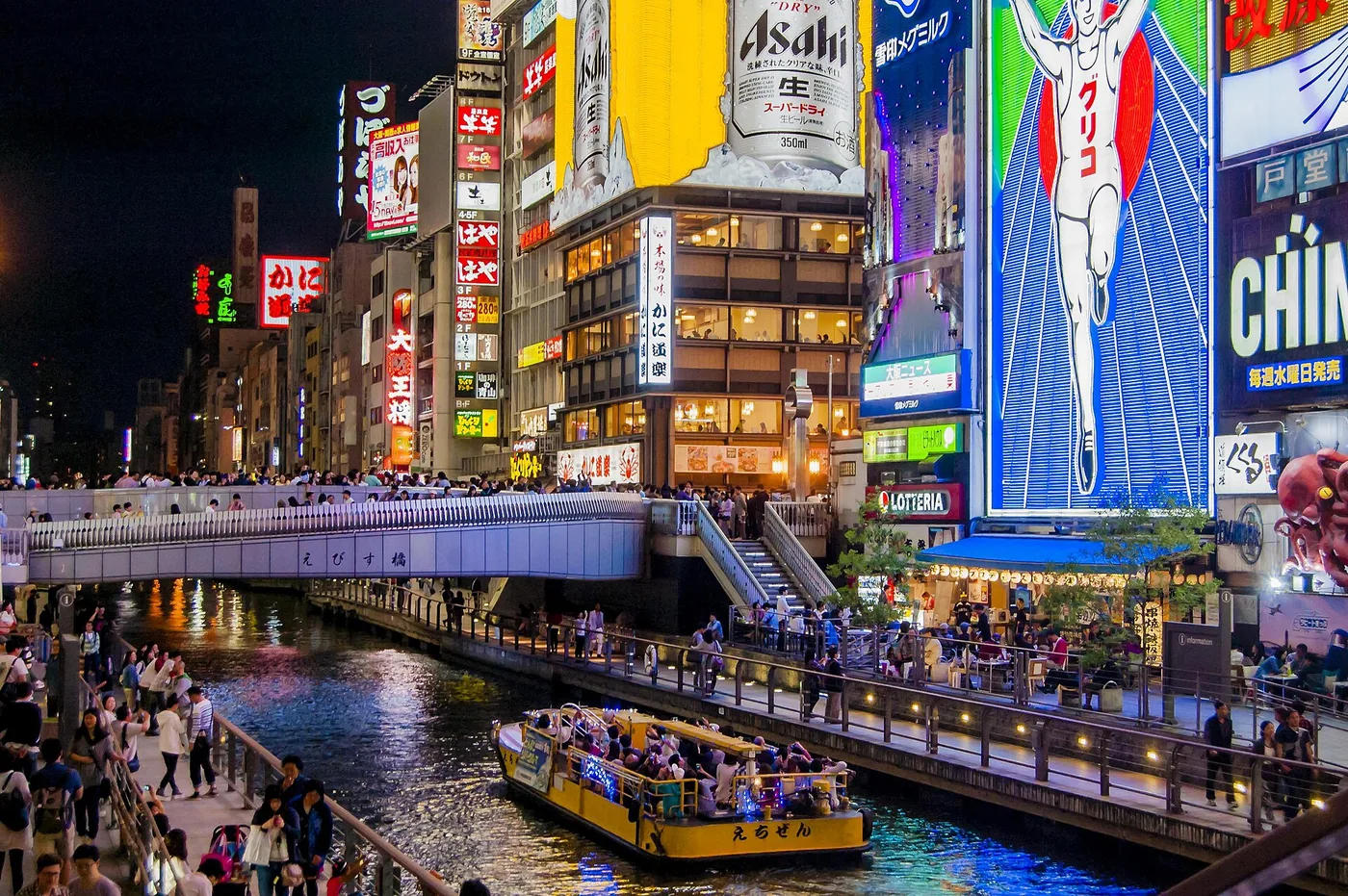
CITY GUIDE
Best for food-led days, a contrasting Kansai base and a Kansai Airport arrival or departure.
Areas, bases & day routes →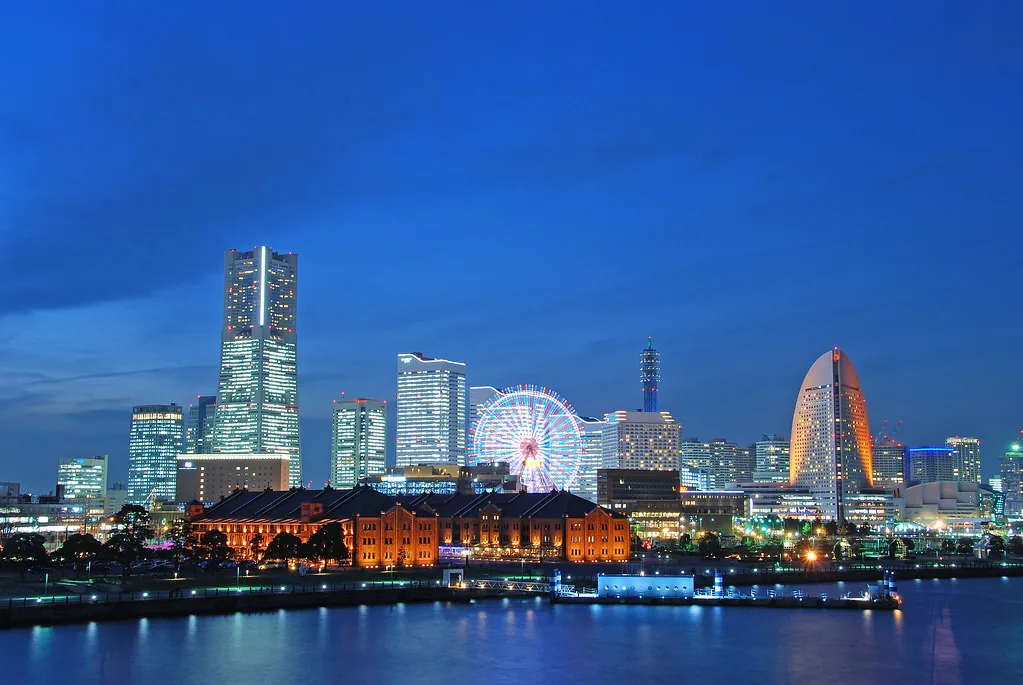
CITY GUIDE
Best for a slower waterfront base, one easy arrival from Haneda and an evening that does not need a second city.
Areas, bases & day routes →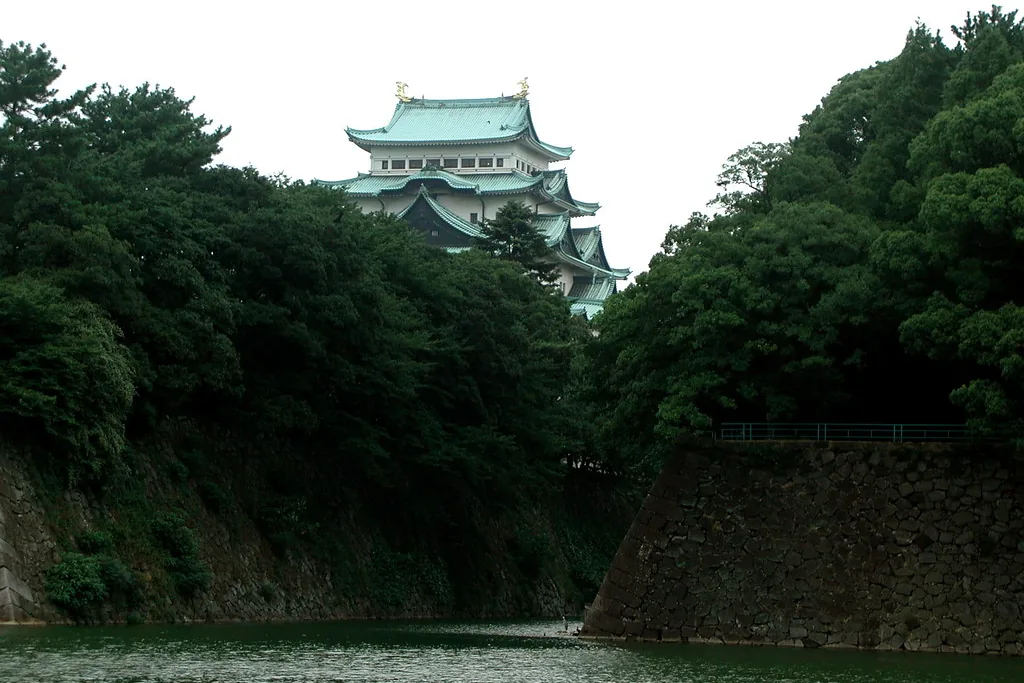
CITY GUIDE
Best for a stop between Tokyo and Kansai, castle and industrial museums, and food the locals queue for.
Areas, bases & day routes →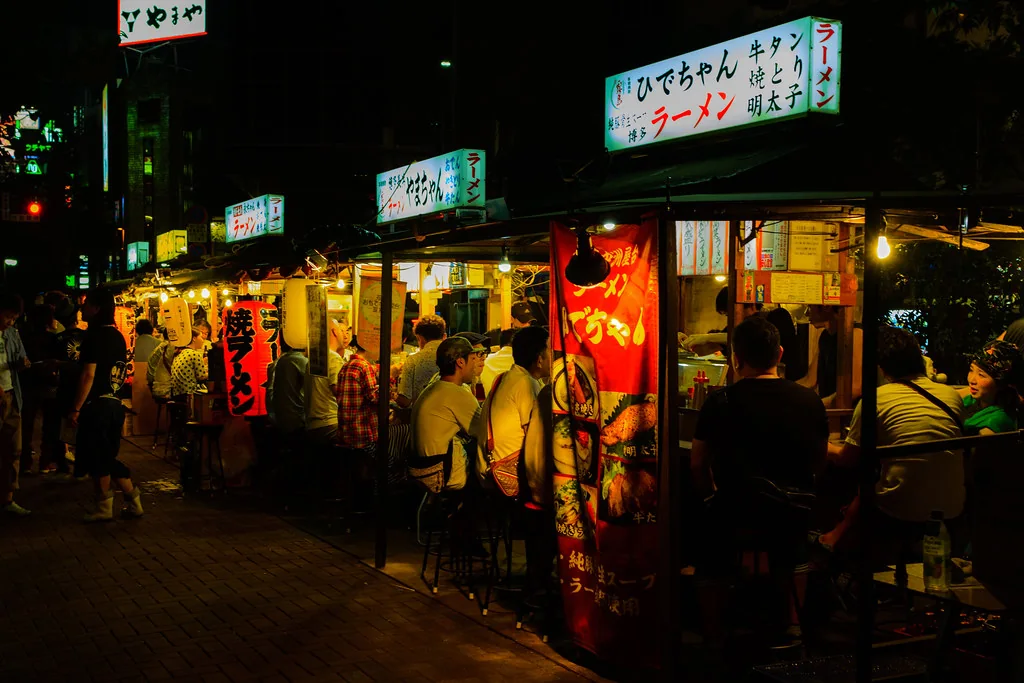
CITY GUIDE
Best for counter and stall dinners, the shortest airport-to-centre ride in the guide, and the eastern bookend of a longer route.
Areas, bases & day routes →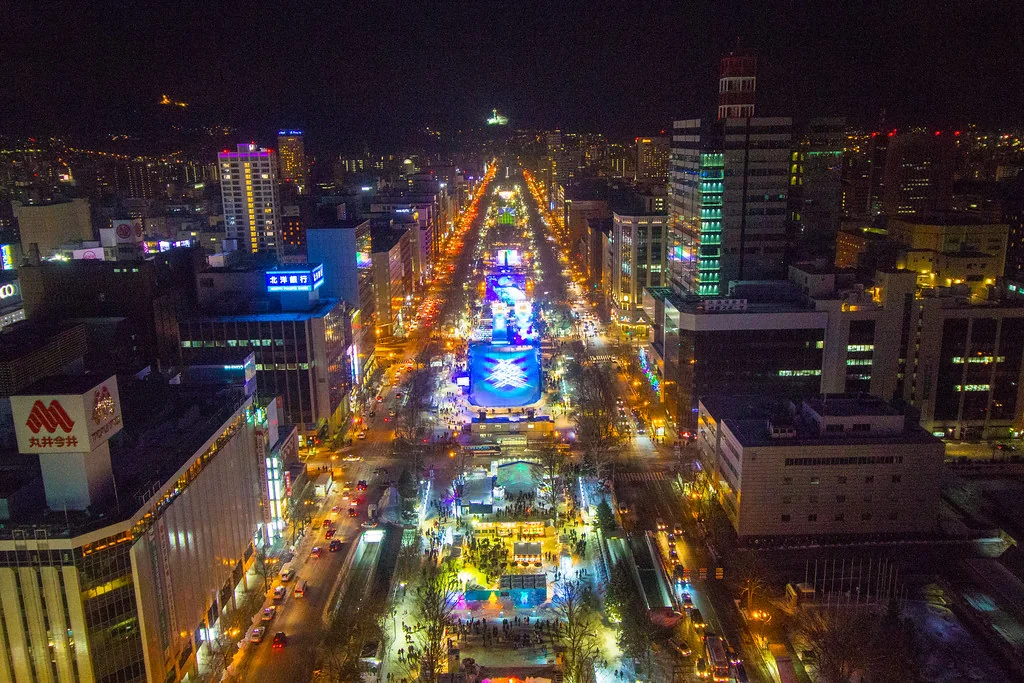
CITY GUIDE
Best for a standalone winter trip, morning-market seafood breakfasts, and the best night views in the guide.
Areas, bases & day routes →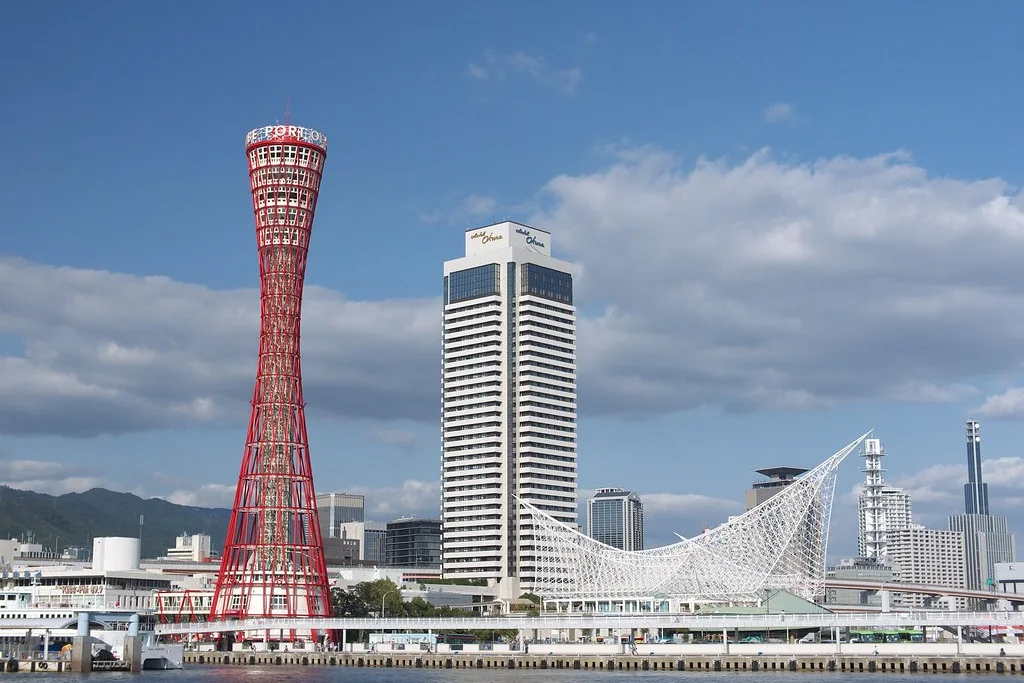
CITY GUIDE
Best for a harbour day of western houses and Chinatown snacks, Japan's biggest sake district, and a hot-spring town in the hills.
Areas, bases & day routes →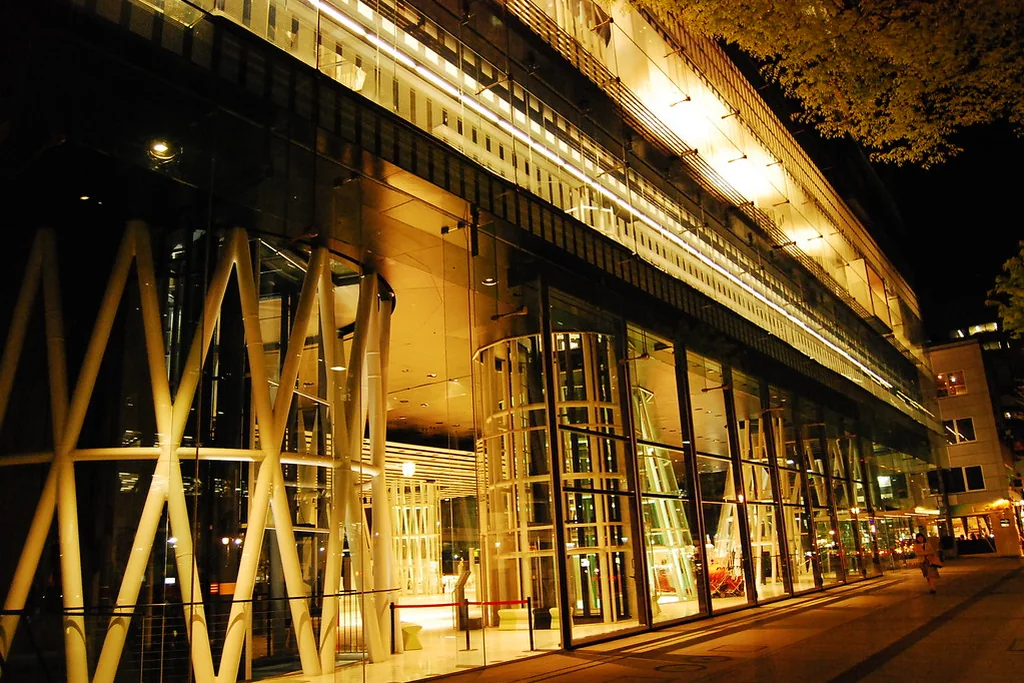
CITY GUIDE
Best for a castle hill with a warlord's story, a bay of one of Japan's three great views, and a food scene that starts with grilled tongue before lunch.
Areas, bases & day routes →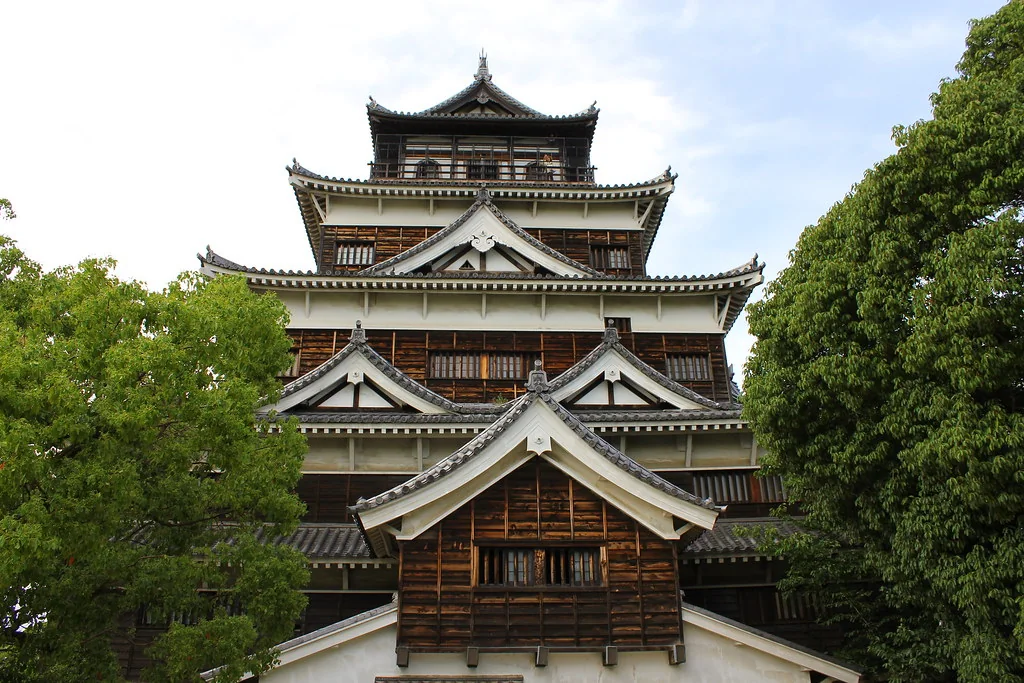
CITY GUIDE
Best for a shrine on the sea, a castle that came back from the war, and a layered okonomiyaki culture with its own halls in the centre.
Areas, bases & day routes →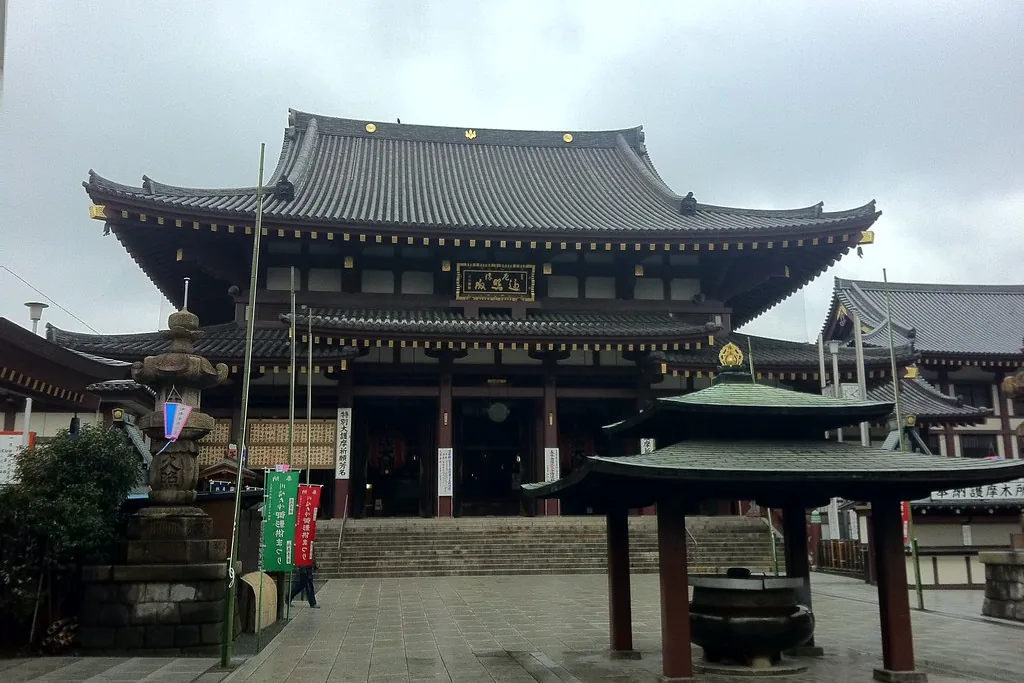
CITY GUIDE
Best for a temple that fires its rite every single day, a manga museum that rewards planning ahead, and a harbour nightscape best seen from the water.
Areas, bases & day routes →For a short stay, fewer hotel changes can be a better choice than touching every city. Tokyo needs no second city to make a worthwhile trip. Kyoto and Osaka can form a Kansai stay, but a change of base still involves bags, check-in and a different journey home. Yokohama is close enough to Tokyo to be a day trip, and close enough to Haneda to be a first or last night instead.
Nagoya is the one city where stopping on the way is usually better than changing base. It sits on the shinkansen between Tokyo and Kyoto, so a night here splits a long ride without adding a separate journey; booking a hotel there for two nights to see one castle is the choice to avoid. Read it as a stop, and it earns its place on the route.
Fukuoka is the exception in the other direction. It is far enough west that the journey is the decision: about five hours from Tokyo by shinkansen, or a little over an hour by air. If your trip reaches Kyushu, make it the first or the last city rather than a stop in the middle, and let the airport do the work on the way in.
Sapporo is the one city here that the journey itself separates. It is in Hokkaido, north of every other city in this guide, and the official advice is to fly: about 1 hour 40 minutes from Tokyo. Treat it as a trip of its own rather than a stop added to a main-island route, and give it at least two nights so the flight earns its keep.
Kobe changes that calculation in the other direction. The official guide puts it at around twenty minutes by train from Osaka, which makes it the easiest city here to add to a Kansai stay: it can be a day out from an Osaka base, or a second base of its own when the bay and the mountains are what you came for. What it does not survive is being treated as half a day between two other cities.
Sendai is the counterweight to Sapporo in the north, and the shinkansen does the work: ninety minutes from Tokyo, with more than eighty trains a day, which makes it the one city in the east that can be added as a second stop without rearranging the whole trip. It is also the doorway to the north-east coast, so two nights here can lead onward to Matsushima and beyond rather than back to Tokyo.
Hiroshima is the western anchor, and the one city here where the shinkansen does not decide the trip: about four hours from Tokyo, but much closer to Osaka and Fukuoka, which makes it the natural end of a route that has already crossed Kansai rather than a stop on the way back. Two World Heritage sites sit within a short train ride of each other, the castle tower is a 1958 reconstruction the city treats as its own symbol, and the centre is small enough to cross by tram. Give it two nights if you want Miyajima as well as the peace sites, and treat it as a destination rather than an extension.
Kawasaki is the everyday city between Tokyo and Yokohama, and it asks less of the journey than any other stop on this list. A temple founded in 1128 holds its fire rite every day, twenty-five relocated farmhouses stand in the hills to the north, and the manga museum runs on timed tickets that must be booked before you arrive. It can fill a day from a Tokyo base without changing hotels, or stand as a quiet first or last stop before the bigger cities take over.
See a seven-day outline with arrival and transfer time →